
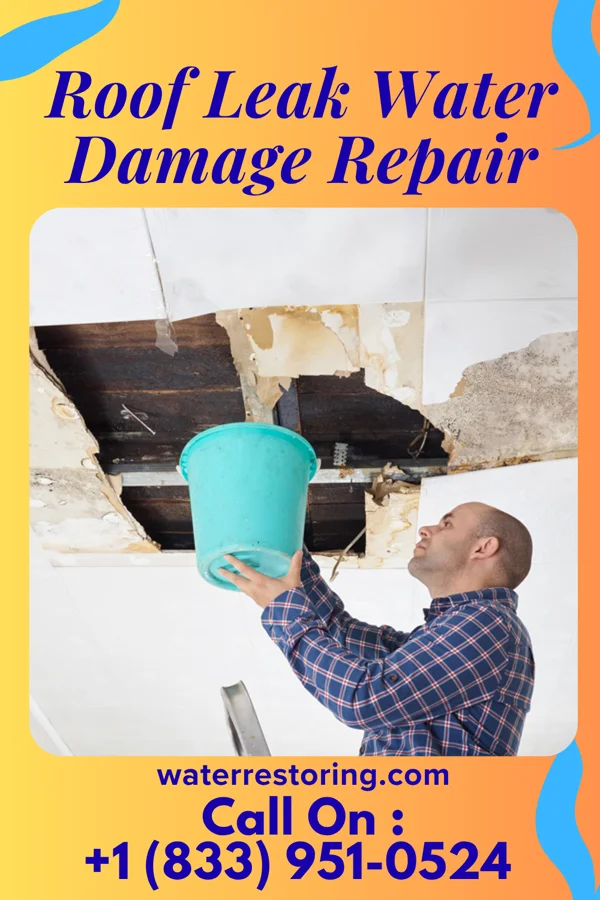
Chippewa Lake Roof Leak Damage: What Owners Should Know
Residential or commercial, water damage emergencies in Chippewa Lake keep coming back to the same drivers. Chippewa Lake experiences frequent thunderstorms during the late spring and summer months, which can lead to sudden heavy rainfall and strong winds. These storms often result in localized flooding and can cause significant damage to residential roofs, especially in areas with older or improperly maintained structures. sits at the top of the list. A close second is The region is also prone to occasional winter snowstorms that can add extra weight to roofs, increasing the risk of structural damage. Additionally, ice dams formed during colder periods can cause water to back up under shingles, leading to leaks and interior water damage..
The combination of heavy rainfall, frequent thunderstorms, and occasional severe weather events creates a challenging environment for roof integrity. Homes in Chippewa Lake must be regularly inspected and maintained to prevent water damage from becoming a long-term issue.
Water damage in Chippewa Lake follows a few local patterns. Chippewa Lake experiences frequent thunderstorms during the late spring and summer months, which can lead to sudden heavy rainfall and strong winds. These storms often result in localized flooding and can cause significant damage to residential roofs, especially in areas with older or improperly maintained structures. accounts for the bulk of our calls. The combination of heavy rainfall, frequent thunderstorms, and occasional severe weather events creates a challenging environment for roof integrity. Homes in Chippewa Lake must be regularly inspected and maintained to prevent water damage from becoming a long-term issue. Mold can begin to grow within 48 hours of water exposure in Chippewa Lake, especially in humid conditions. This can lead to health risks and further structural damage if not treated immediately, making rapid response critical in the area.
For public guidance on the health effects of mold after prolonged water exposure, see the EPA mold and health page.