
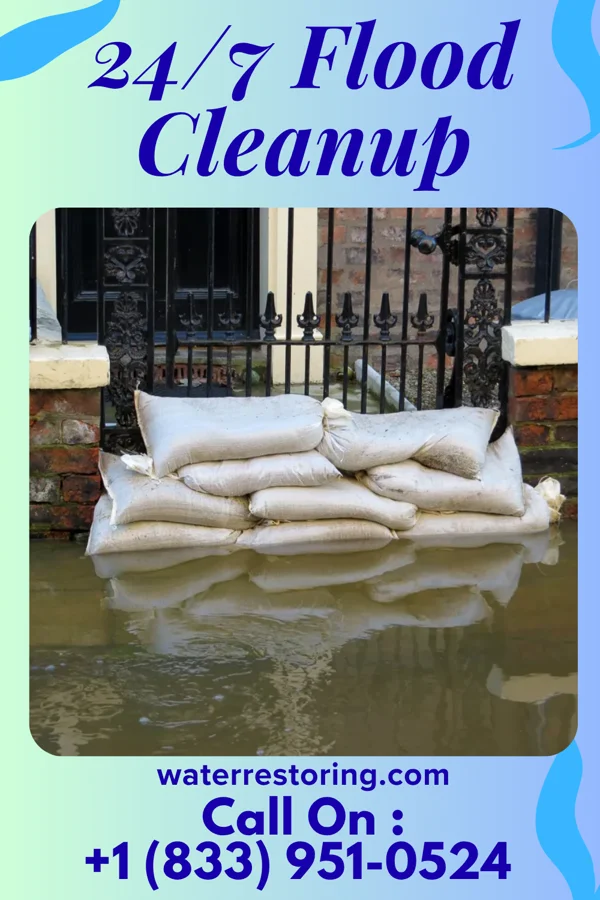
Holiday & Weekend Flood Response in Chippewa Lake
Most water damage emergencies in Chippewa Lake start with spring snowmelt and river overflow flooding. A close second is severe thunderstorm rainfall overwhelming storm sewers. From the second water touches the property, every minute changes what gets saved and what gets ripped out.
Chippewa Lake experiences heavy spring rains and snowmelt from the surrounding hills, which can quickly overwhelm local drainage systems. The humid continental climate brings frequent thunderstorms, increasing the risk of sudden flooding in low-lying areas.
Chippewa Lake experiences heavy spring rains and snowmelt from the surrounding hills, which can quickly overwhelm local drainage systems. The humid continental climate brings frequent thunderstorms, increasing the risk of sudden flooding in low-lying areas. The dominant local driver is spring snowmelt and river overflow flooding, with severe thunderstorm rainfall overwhelming storm sewers showing up as the next most common cause. Damage builds in stages. Spread. Absorption. Microbial growth. Structural compromise. Every stage you pass through adds to the final bill.
For public guidance on the health effects of mold after prolonged water exposure, see the EPA mold and health page.